
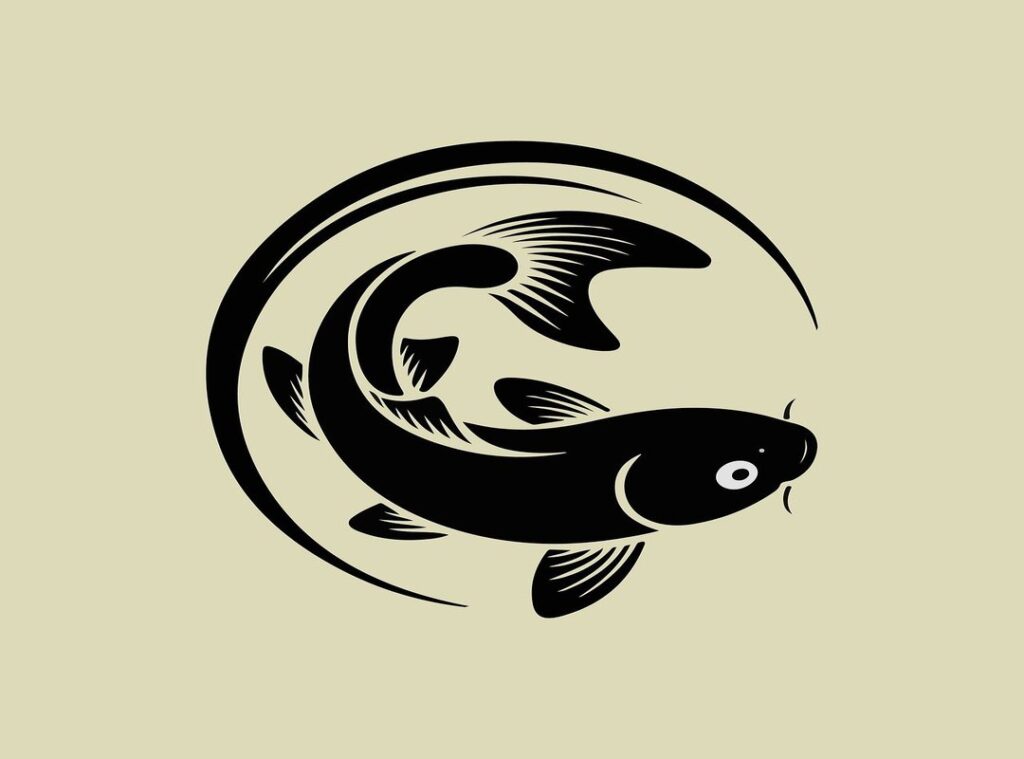
Koi fish tattoos are visually striking and deeply meaningful. They carry a rich cultural significance that goes beyond just their beauty. This article is your go-to guide for understanding the symbolism, popular styles, and design elements of an ikan koi tattoo design.
By the end, you’ll have the knowledge and inspiration to create a truly personal and meaningful koi tattoo. The legend of the koi is fascinating. It’s said these fish swam upstream, against the current, transforming into powerful dragons.
That’s why they symbolize perseverance and strength, and a koi tattoo isn’t just body art. It’s a statement about your own journey and struggles.
What Does a Koi Fish Tattoo Really Mean?
When you see a koi fish tattoo, it’s not just about the aesthetics. The koi is a symbol of strength, perseverance, courage, and the determination to overcome adversity. This symbolism is deeply rooted in an ancient legend where koi swim up the Yellow River’s waterfall to transform into dragons.
Black koi, for instance, represent overcoming obstacles. Red koi are all about love and bravery. Blue koi symbolize masculinity and tranquility.
And gold, or Yamabuki, koi stand for wealth and prosperity. Each color adds a layer of meaning to the ikan koi tattoo design.
The orientation of the koi in the tattoo matters too. A koi swimming upstream signifies an ongoing struggle or ambition. Conversely, one swimming downstream indicates that a goal has been achieved or an obstacle has been overcome.
Interestingly, when two koi are depicted together, they embody the Yin-Yang concept, symbolizing balance, harmony, and the dual nature of life. This adds another dimension to the tattoo’s meaning.
Ultimately, the combination of color and direction creates a unique and deeply personal narrative for the wearer. It’s not just a pretty picture; it’s a story of their journey and aspirations.
Popular Artistic Styles for Your Koi Tattoo
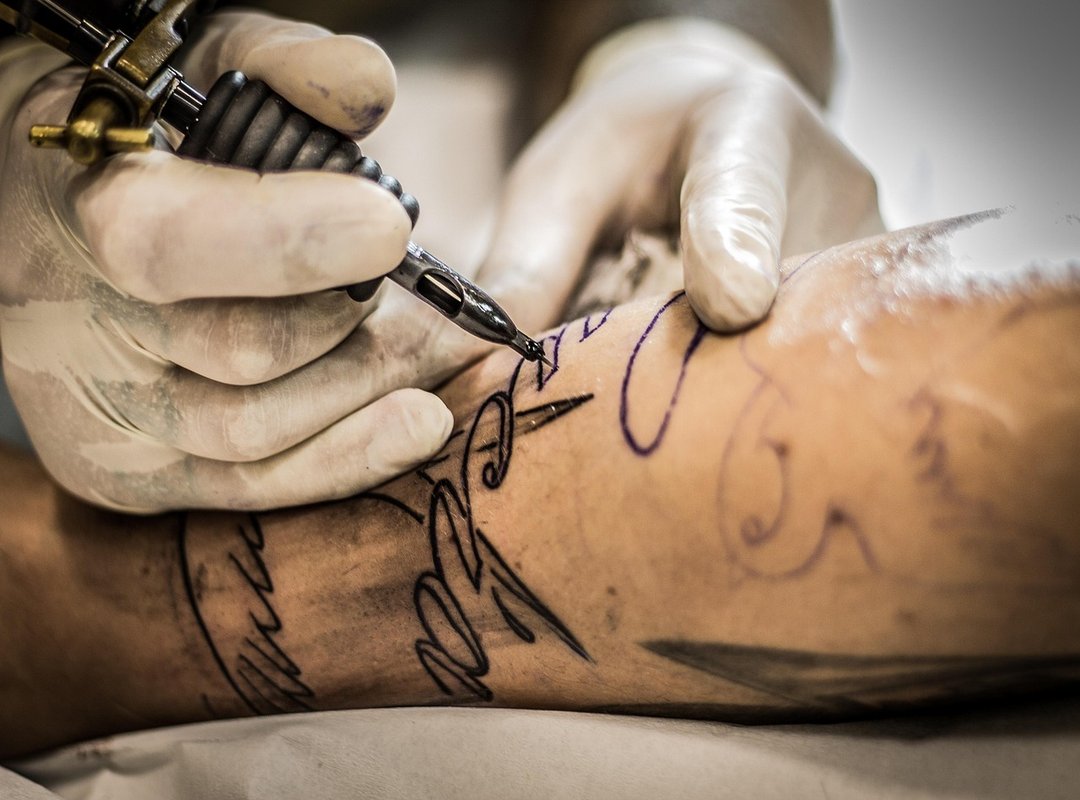
When it comes to ikan koi tattoo design, the style you choose can make a huge difference. It’s not just about the fish; it’s about how you want to express yourself.
Traditional Japanese (Irezumi) Style
This style is all about bold black outlines and a vibrant but limited color palette. You’ll see iconic background elements like finger waves and clouds, which add a classic, timeless feel. The benefit?
It stands out and holds a deep cultural significance.
Realism Style
If you’re after something that looks like it could swim off your skin, realism is the way to go. This style focuses on intricate scale details, light reflections on the water, and lifelike movement. It’s perfect if you want a tattoo that’s as close to a real koi as possible.
Watercolor Style
For those who love a modern, artistic touch, the watercolor style is a great choice. Soft edges, color bleeds, and splatters create a fluid, painterly effect. It’s like having a beautiful painting on your skin, and it’s a fantastic way to show your creative side.
Neo-Traditional Style
This style blends the best of both worlds. It keeps the bold lines of traditional tattoos but adds a broader, more vibrant color palette and dimensional shading. Often, you’ll find ornate, decorative elements that give it a unique, eye-catching look. ikan koi tattoo design
It’s a great way to get a classic feel with a modern twist.
Minimalist or Linework Styles
Sometimes, less is more. Minimalist and linework styles focus purely on the elegant form and outline of the koi without heavy shading or color. These designs are subtle and clean, making them perfect for those who prefer a more understated look.
Choosing the right style for your ikan koi tattoo design can transform a simple idea into a meaningful, personal piece of art.
Choosing the Perfect Placement and Flow on the Body
When it comes to large-scale placements like a full sleeve (arm) or leg sleeve, these areas provide a vertical canvas perfect for depicting the koi’s upward journey. The arm, in particular, can really bring out the dynamic movement of an ikan koi tattoo design.
The back is another ideal location for a large, intricate scene. Here, you can incorporate multiple koi, a dragon, and detailed background elements like a waterfall or temple. It’s a space that allows for a lot of creativity and detail.
For something a bit more personal, consider the chest or ribs. These areas let the tattoo artist use the body’s natural curvature to create a sense of dynamic movement, making the koi look like it’s swimming around the torso.
Smaller, more contained placements like the forearm, calf, or shoulder blade are well-suited for a single koi or a less complex design. These spots are great if you want something more subtle but still impactful.
Flow is crucial. Work with your artist to ensure the design complements the muscle structure and natural lines of the chosen body part. This makes the tattoo look like it belongs there, enhancing its overall aesthetic and meaning.
- Full Sleeve (Arm): Perfect for a vertical, upward journey.
- Back: Ideal for large, intricate scenes with multiple elements.
- Chest or Ribs: Use natural curvature for dynamic movement.
- Forearm, Calf, or Shoulder Blade: Great for smaller, simpler designs.
By focusing on these details, you can create a tattoo that not only looks stunning but also feels like a natural part of your body.
Essential Elements to Pair with Your Koi Design
When you think about an ikan koi tattoo design, it’s not just about the fish. The elements around it tell a story too. Some people might argue that adding too many elements can clutter the design.
But here’s the thing: each element has its own significance and can enhance the overall meaning.
- Water and Waves: These represent the struggle, adversity, and the environment the koi must navigate to succeed. Classic Japanese ‘finger waves’ are a popular choice, adding a traditional touch.
- Lotus Flower: This symbolizes purity, enlightenment, and rebirth. A lotus is often included to show that beauty can grow from murky waters, mirroring the koi’s journey.
- Cherry Blossoms (Sakura): They symbolize the transient and beautiful nature of life in Japanese culture. Adding them can represent the warrior’s path or life’s fleeting moments.
- Dragon: This represents the final stage of the koi’s transformation. Including a dragon symbolizes the ultimate achievement of one’s goals and the attainment of power and wisdom.
Some might say these elements are overused. Sure, they’re common, but that’s because they’re meaningful. Each one adds a layer of depth to your tattoo, making it more than just a pretty picture.
Other elements like maple leaves (time and change) or peonies (wealth and elegance) can also add further layers of meaning. It’s all about what resonates with you and the story you want to tell.
Bringing Your Personal Koi Story to Life
A ikan koi tattoo design is a powerful symbol of personal strength. It’s defined by its color, direction, and accompanying elements. The best designs tell a personal story of overcoming challenges and achieving goals.
Collaborate closely with a talented tattoo artist who specializes in the style you love, such as Japanese traditional or realism. Start gathering reference images, and sketch out your ideas.
Book a consultation to begin designing a tattoo that truly represents your journey.
 Stephaniela Jamersonsil is the kind of writer who genuinely cannot publish something without checking it twice. Maybe three times. They came to wealth management solutions through years of hands-on work rather than theory, which means the things they writes about — Wealth Management Solutions, Market Analysis and Trends, Investment Strategies and Tips, among other areas — are things they has actually tested, questioned, and revised opinions on more than once.
That shows in the work. Stephaniela's pieces tend to go a level deeper than most. Not in a way that becomes unreadable, but in a way that makes you realize you'd been missing something important. They has a habit of finding the detail that everybody else glosses over and making it the center of the story — which sounds simple, but takes a rare combination of curiosity and patience to pull off consistently. The writing never feels rushed. It feels like someone who sat with the subject long enough to actually understand it.
Outside of specific topics, what Stephaniela cares about most is whether the reader walks away with something useful. Not impressed. Not entertained. Useful. That's a harder bar to clear than it sounds, and they clears it more often than not — which is why readers tend to remember Stephaniela's articles long after they've forgotten the headline.
Stephaniela Jamersonsil is the kind of writer who genuinely cannot publish something without checking it twice. Maybe three times. They came to wealth management solutions through years of hands-on work rather than theory, which means the things they writes about — Wealth Management Solutions, Market Analysis and Trends, Investment Strategies and Tips, among other areas — are things they has actually tested, questioned, and revised opinions on more than once.
That shows in the work. Stephaniela's pieces tend to go a level deeper than most. Not in a way that becomes unreadable, but in a way that makes you realize you'd been missing something important. They has a habit of finding the detail that everybody else glosses over and making it the center of the story — which sounds simple, but takes a rare combination of curiosity and patience to pull off consistently. The writing never feels rushed. It feels like someone who sat with the subject long enough to actually understand it.
Outside of specific topics, what Stephaniela cares about most is whether the reader walks away with something useful. Not impressed. Not entertained. Useful. That's a harder bar to clear than it sounds, and they clears it more often than not — which is why readers tend to remember Stephaniela's articles long after they've forgotten the headline.