
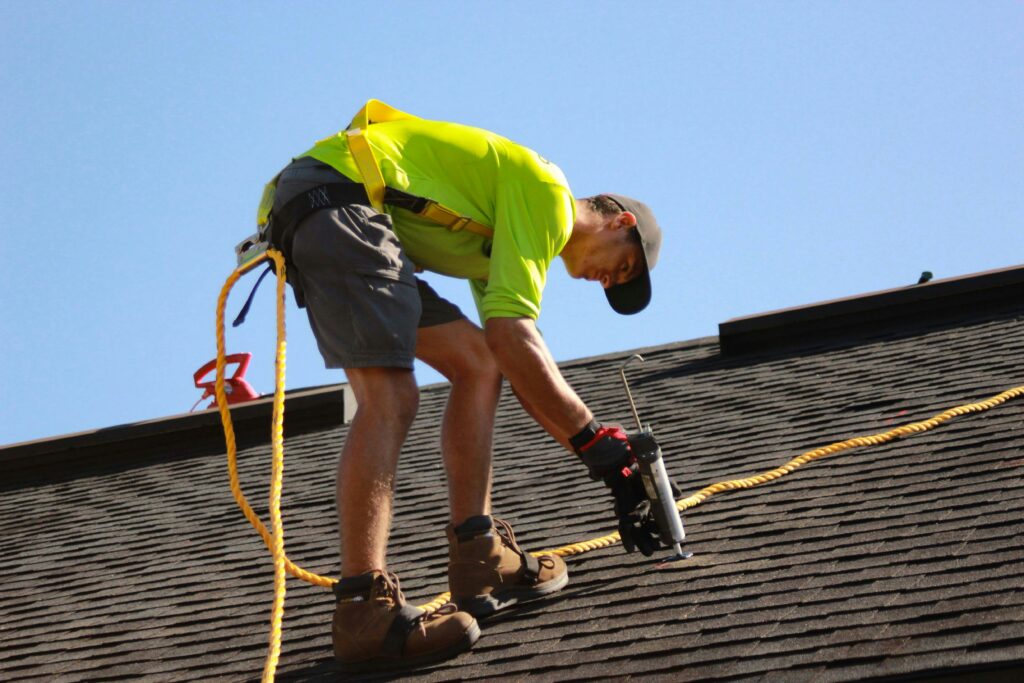
Thousands of contractors work across Florida every year, and plenty of them operate without proper insurance coverage. That’s a gamble with consequences far heavier than most expect. Whether you’re a contractor yourself or you’re about to hire one, knowing what happens if a Florida contractor doesn’t have insurance isn’t just useful background. It’s the difference between protecting your livelihood and losing everything you’ve built.
The Legal Penalties Florida Contractors Face Without Insurance
Florida’s licensing laws are strict. They require contractors to carry certain types of insurance before they can legally operate. Affordable Contractors Insurance serves contractors across Florida who need to meet these state requirements quickly and without overpaying. The law isn’t vague on this point. Under Florida Statute 489, licensed contractors must maintain general liability insurance and workers’ compensation coverage as conditions of their license. The Department of Business and Professional Regulation (DBPR) actively checks compliance and has real authority to act fast if a contractor falls short. Many contractors think they’ll slip through unnoticed. But that assumption costs them.
License Suspension and Revocation
The DBPR can suspend or revoke a contractor’s license for failure to carry the required insurance. This isn’t a slap on the wrist; it’s a serious blow. A suspended license means you can’t legally take on new jobs, pull permits, or sign contracts. Revocation ends your ability to work under that license entirely. Getting it back requires a full reinstatement process with additional fees, hearings, and proof of current coverage. In practice, the financial loss from even a short suspension, factoring in missed projects and broken client relationships, exceeds whatever money you thought you were saving by skipping insurance. And once your license is on record as suspended, that history follows you for years. Clients check these records. General contractors check them, too. A lapse in coverage doesn’t just cost you right now; it damages your reputation going forward.
Fines and Stop-Work Orders
The Construction Industry Licensing Board has the power to issue stop-work orders on active job sites if a contractor lacks workers’ compensation insurance. These orders are immediate and freeze your entire project. Penalties can reach $1,000 per day for every day you operate without proper workers’ comp coverage, according to the Florida Department of Financial Services. That figure adds up brutally fast. Beyond stop-work orders, the DBPR can levy additional administrative fines for general license violations tied to missing insurance. If your violation results in a formal complaint, you may also face legal fees and the cost of a defense attorney. The total financial burden from penalties alone can easily run into the tens of thousands of dollars. And that doesn’t even account for the civil liability that kicks in if something actually goes wrong on the job site during the period you operated uninsured.
Financial Exposure When a Job Goes Wrong
Legal penalties from regulators are one problem. But the financial exposure that follows an actual accident or dispute is often far more destructive. Florida’s courts don’t show much sympathy to contractors who operate without coverage. If you’re a homeowner or general contractor who hired an uninsured subcontractor, your own exposure multiplies; here’s the thing: the math is straightforward. No insurance means no insurer paying out claims on your behalf, which means those costs come directly out of your pocket or business assets. For small contractors, that’s frequently a business-ending situation.
Who Pays for Injuries on the Job Site
Florida requires most employers in the construction industry to carry workers’ compensation insurance regardless of how many employees they have. If a worker gets hurt on your job site and you don’t carry workers’ comp, you, as the contractor, become personally responsible for all medical costs, lost wages, and rehabilitation expenses. These figures can reach hundreds of thousands of dollars for a serious injury. Florida law also allows injured workers to sue employers directly if workers’ comp wasn’t in place; that means civil litigation on top of medical bills. And if you’re a general contractor who hired an uninsured sub, you could be held liable for that sub’s workers under certain conditions. Courts have consistently ruled this way, so “I didn’t know they were uninsured” won’t hold up in defense. Verify your subcontractors’ coverage before they set foot on a site.
Property Damage and Third-Party Claims
General liability insurance exists to protect against property damage claims and third-party bodily injury claims arising from your work. Without it, a broken water line, a fire caused by faulty wiring, or a client who trips on debris at your job site becomes your direct financial problem. Florida homeowners can sue contractors for damages, and they frequently do. A single property damage claim can run anywhere from $20,000 to well over $200,000, depending on the scope of damage. Legal defense costs stack on top of that, even if the claim turns out to be exaggerated or unfair. You’ll notice that if you lose in court, a judgment against you can result in wage garnishment, liens on business assets, or forced liquidation of equipment. There’s no safety net. That’s the problem with operating uninsured; every job carries risk, and without coverage, you absorb 100% of it personally.
Conclusion
Florida doesn’t leave much room for contractors who skip insurance. The consequences range from license suspension and heavy fines to personal financial ruin if a worker gets hurt or property gets damaged. Understanding what happens if a Florida contractor doesn’t have insurance should be enough to push any serious trade professional toward getting covered before they pull their next permit. The cost of a good policy is a fraction of what a single uninsured incident can cost you. Don’t wait for an accident or a DBPR notice to find out how exposed you actually are.
 Wandaneliah Kilgore writes the kind of expert financial advice content that people actually send to each other. Not because it's flashy or controversial, but because it's the sort of thing where you read it and immediately think of three people who need to see it. Wandaneliah has a talent for identifying the questions that a lot of people have but haven't quite figured out how to articulate yet — and then answering them properly.
They covers a lot of ground: Expert Financial Advice, Capital Markets Updates, Personal Finance Insights, and plenty of adjacent territory that doesn't always get treated with the same seriousness. The consistency across all of it is a certain kind of respect for the reader. Wandaneliah doesn't assume people are stupid, and they doesn't assume they know everything either. They writes for someone who is genuinely trying to figure something out — because that's usually who's actually reading. That assumption shapes everything from how they structures an explanation to how much background they includes before getting to the point.
Beyond the practical stuff, there's something in Wandaneliah's writing that reflects a real investment in the subject — not performed enthusiasm, but the kind of sustained interest that produces insight over time. They has been paying attention to expert financial advice long enough that they notices things a more casual observer would miss. That depth shows up in the work in ways that are hard to fake.
Wandaneliah Kilgore writes the kind of expert financial advice content that people actually send to each other. Not because it's flashy or controversial, but because it's the sort of thing where you read it and immediately think of three people who need to see it. Wandaneliah has a talent for identifying the questions that a lot of people have but haven't quite figured out how to articulate yet — and then answering them properly.
They covers a lot of ground: Expert Financial Advice, Capital Markets Updates, Personal Finance Insights, and plenty of adjacent territory that doesn't always get treated with the same seriousness. The consistency across all of it is a certain kind of respect for the reader. Wandaneliah doesn't assume people are stupid, and they doesn't assume they know everything either. They writes for someone who is genuinely trying to figure something out — because that's usually who's actually reading. That assumption shapes everything from how they structures an explanation to how much background they includes before getting to the point.
Beyond the practical stuff, there's something in Wandaneliah's writing that reflects a real investment in the subject — not performed enthusiasm, but the kind of sustained interest that produces insight over time. They has been paying attention to expert financial advice long enough that they notices things a more casual observer would miss. That depth shows up in the work in ways that are hard to fake.