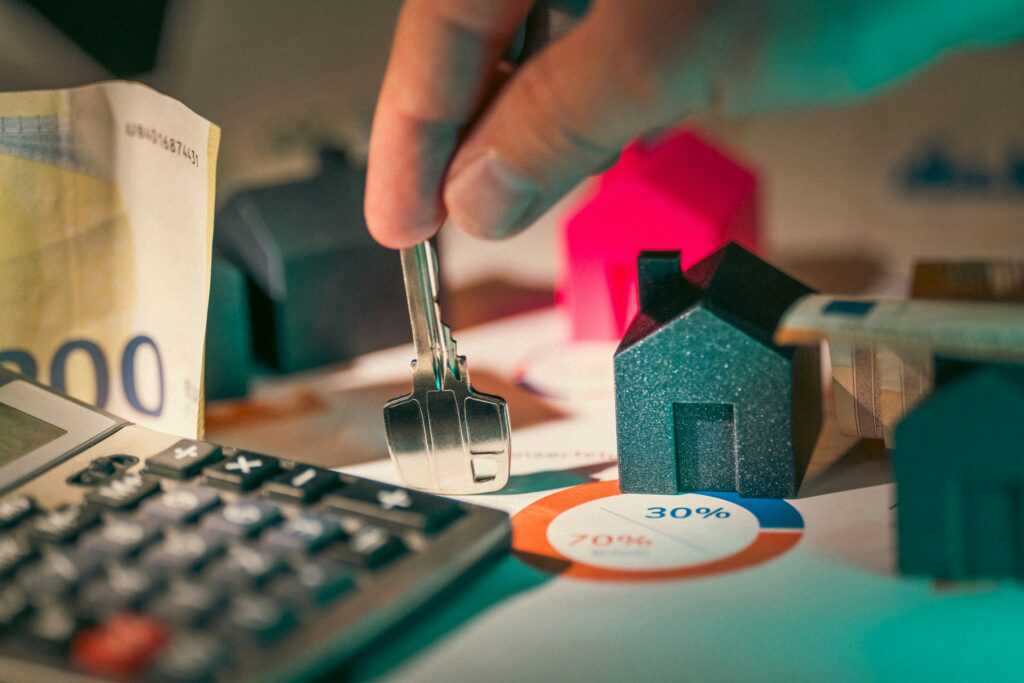
Owning a home comes with expenses that go well beyond the mortgage, utilities, and property taxes. Home maintenance costs can be easy to overlook when everything seems to be working normally, but a small repair can become a much larger bill when it is ignored for too long.
A dripping pipe, damaged roof, clogged gutter, or aging appliance may not seem urgent at first. The problem is that many home repairs become more expensive when homeowners wait until there is visible damage or a complete failure.
The good news is that you don’t need a perfect prediction of every future repair. A basic maintenance budget and a few regular checks can make unexpected expenses much easier to manage.
Home Maintenance Costs: What Should Homeowners Budget For?
There isn’t one maintenance number that works for every property.
A newer home may need less work in the short term, while an older property with aging plumbing, roofing, electrical systems, or appliances may require more frequent repairs.
Your maintenance budget can be affected by:
- The age of the home
- Roof condition
- Plumbing and drainage
- HVAC system age
- Electrical components
- Exterior materials
- Local weather conditions
- Previous maintenance
- Age of major appliances
Instead of treating maintenance as an occasional emergency expense, consider setting aside money throughout the year.
The exact amount depends on the property and your financial situation, but the important habit is consistency.
Why Small Home Problems Can Become Expensive
Many costly repairs start with something relatively minor.
A small plumbing leak can damage cabinets, flooring, insulation, or drywall. A damaged roof covering can allow moisture into the decking underneath. Poor drainage can contribute to water intrusion around the foundation or exterior walls.
This doesn’t mean every small problem will turn into a major repair. It means that early detection gives homeowners more options.
For example, replacing a worn component is generally a simpler situation than dealing with extensive water damage after months of unnoticed leakage.
What Home Repairs Should You Plan For?
Some maintenance expenses are relatively predictable.
Roofing
Roofing materials eventually wear out, and severe weather can accelerate that process. Missing shingles, damaged flashing, blocked drainage areas, and signs of moisture deserve attention.
If you own a camper or recreational vehicle, roofing expenses can also become part of your maintenance budget. Understanding camper roof repair costs can help owners understand why early inspection and maintenance may be less expensive than waiting for widespread water damage.
Plumbing
Plumbing problems range from inexpensive fixture repairs to much larger issues involving hidden pipes or water damage.
Watch for unusual water bills, damp cabinets, slow drains, persistent odors, changes in water pressure, and unexplained moisture.
HVAC
Heating and cooling systems can be expensive to replace, so regular servicing and filter changes can help identify problems before a complete system failure.
Exterior and Drainage
Gutters, downspouts, exterior sealants, windows, and drainage areas also deserve attention. Water is one of the most common sources of gradual property damage, so keeping it away from vulnerable areas is an important part of home maintenance.
How to Build a Home Repair Fund
A dedicated repair fund can make an unexpected problem less stressful.
Start by looking at your home’s age and the condition of its major systems. If the roof, HVAC system, water heater, or appliances are approaching the end of their expected service life, you may want to prioritize those expenses.
You can also divide your maintenance budget into three categories:
Routine maintenance: Smaller recurring expenses such as filters, cleaning, inspections, and minor repairs.
Planned replacements: Larger expenses you can anticipate, such as an aging water heater, roof, or HVAC system.
Emergency repairs: Unexpected failures that require immediate attention.
Keeping these categories separate makes it easier to understand where your money is going.
A Home Inspection Can Help You Find Problems Early
You don’t necessarily need to hire a professional every time you want to check the condition of your home.
A basic home inspection checklist can help you look for visible warning signs around the roof, plumbing, exterior, attic, basement, and other accessible areas.
Look for things such as:
- Water stains
- Damp or musty areas
- Cracked or deteriorating materials
- Loose roofing components
- Leaking fixtures
- Damaged seals
- Unusual sounds
- Changes in water pressure
- Signs of pest or moisture damage
A homeowner inspection won’t replace a professional assessment when one is needed. Its value is in helping you notice changes early.
Preventive Maintenance vs. Emergency Repairs
Preventive maintenance doesn’t guarantee that something will never break.
Its real benefit is that it can help you identify problems while they are still manageable.
For example, finding a small roof defect during a routine inspection gives you time to research repair options and budget for the work. Discovering the same problem after a major storm has allowed water into the attic can create a much more urgent situation.
The same principle applies to plumbing, HVAC, electrical, and exterior maintenance.
When Should You Spend Money on Repairs?
Not every problem needs immediate professional intervention.
A homeowner may be able to handle simple tasks such as replacing an air filter, cleaning accessible gutters, or tightening an appropriate fixture connection.
Other situations should be left to qualified professionals, particularly when they involve:
- Electrical wiring
- Gas systems
- Structural damage
- Major water leaks
- Roof work at unsafe heights
- Mold or contaminated water
- Significant foundation movement
Saving money on a repair isn’t worthwhile if the work creates a safety risk or causes additional damage.
How to Avoid Overpaying for Home Repairs
When a major repair is necessary, getting multiple estimates can help you understand the range of reasonable costs.
Ask what is actually causing the problem, what work is necessary, and whether the recommendation is a repair or a full replacement.
Be cautious of anyone who insists that you need expensive work without explaining the underlying issue.
It’s also useful to keep records of previous repairs, invoices, warranties, and maintenance. A simple home maintenance file can make future decisions easier and help you avoid paying twice for work that was already completed.
Final Thoughts
Home maintenance costs are easier to manage when they are treated as part of homeownership rather than surprises.
You don’t have to predict every repair. Start by understanding the condition of the major systems in your property, checking for obvious warning signs, and setting aside money for both routine maintenance and larger future expenses.
A few minutes spent looking for a small problem today may save you from dealing with a much larger repair bill later.
The goal isn’t to spend money unnecessarily. It’s to recognize problems early, make informed decisions, and keep your home in good condition without allowing avoidable repairs to become financial emergencies.
 Stephaniela Jamersonsil is the kind of writer who genuinely cannot publish something without checking it twice. Maybe three times. They came to wealth management solutions through years of hands-on work rather than theory, which means the things they writes about — Wealth Management Solutions, Market Analysis and Trends, Investment Strategies and Tips, among other areas — are things they has actually tested, questioned, and revised opinions on more than once.
That shows in the work. Stephaniela's pieces tend to go a level deeper than most. Not in a way that becomes unreadable, but in a way that makes you realize you'd been missing something important. They has a habit of finding the detail that everybody else glosses over and making it the center of the story — which sounds simple, but takes a rare combination of curiosity and patience to pull off consistently. The writing never feels rushed. It feels like someone who sat with the subject long enough to actually understand it.
Outside of specific topics, what Stephaniela cares about most is whether the reader walks away with something useful. Not impressed. Not entertained. Useful. That's a harder bar to clear than it sounds, and they clears it more often than not — which is why readers tend to remember Stephaniela's articles long after they've forgotten the headline.
Stephaniela Jamersonsil is the kind of writer who genuinely cannot publish something without checking it twice. Maybe three times. They came to wealth management solutions through years of hands-on work rather than theory, which means the things they writes about — Wealth Management Solutions, Market Analysis and Trends, Investment Strategies and Tips, among other areas — are things they has actually tested, questioned, and revised opinions on more than once.
That shows in the work. Stephaniela's pieces tend to go a level deeper than most. Not in a way that becomes unreadable, but in a way that makes you realize you'd been missing something important. They has a habit of finding the detail that everybody else glosses over and making it the center of the story — which sounds simple, but takes a rare combination of curiosity and patience to pull off consistently. The writing never feels rushed. It feels like someone who sat with the subject long enough to actually understand it.
Outside of specific topics, what Stephaniela cares about most is whether the reader walks away with something useful. Not impressed. Not entertained. Useful. That's a harder bar to clear than it sounds, and they clears it more often than not — which is why readers tend to remember Stephaniela's articles long after they've forgotten the headline.