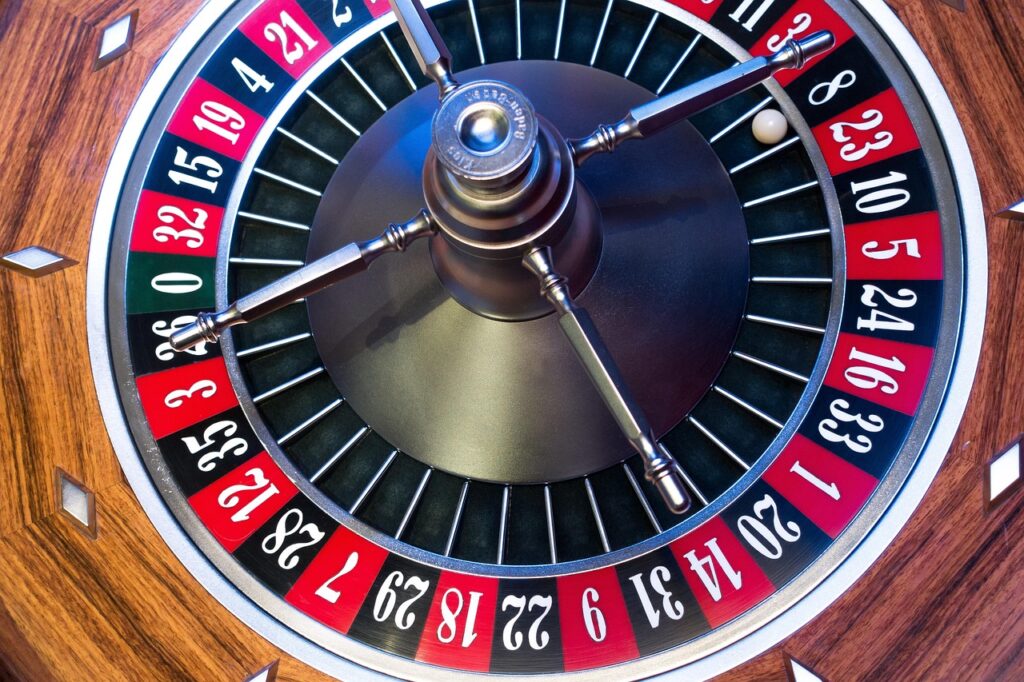
A name search now works like a public scorecard. Buyers, lenders, recruiters, patients, and voters check it before they ever pick up the phone. One angry review, one old news clip, or one sloppy AI summary can sit on page one and drain trust for months. That is why so many companies and public figures look for the best reputation management agency instead of hoping the internet forgets.
The right partner does more than delete a comment. It shapes what Google shows, what review sites display, and what AI tools say when someone asks about a person or a brand. For teams that need that kind of control, a professional online reputation management agency is the next place to look.
Get a free, confidential reputation analysis.
Why Reputation Now Decides Revenue?

Reputation used to live in PR decks. In 2026 it lives in money.
A Burson study published in late August 2026 put a price on it. After studying 66 listed companies, the firm said a strong reputation can add up to 4.78% in extra annual shareholder returns. It called the global “reputation economy” worth US$7.07 trillion. That extra value ranged from about US$2 million to US$202 billion beyond what the books alone would predict.
Buyers feel the same pressure at a smaller scale. BrightLocal’s Local Consumer Review Survey 2026, based on 1,002 U.S. adults in February 2026, found that 97% of consumers read reviews for local businesses. 41% always read reviews when they browse, up from 29% in 2025. 85% are more likely to use a business after positive reviews. 77% walk away after negative ones. 74% look for reviews written in the last three months. 80% say they are more likely to choose a business that replies to every review. Generic copy-paste replies put off half of them.
AI changed the rules again. The same research family shows 45% of consumers now ask AI tools for local business recommendations, up from 6% the year before. ChatGPT leads that habit. Google’s AI answers sit close behind. A brand can look fine on its own website and still look risky inside a chatbot reply.
Search still matters, but the first answer a person sees may never include a click.
About 68% of U.S. Google searches now end without a visit to a website. Google still holds roughly 91% of global search. If page one is messy, many people never reach page two. They just pick someone else.
What those numbers mean for a company
A weak first page does not stay “just online.” It shows up in fewer leads, slower hiring, and harder deals.
- Shoppers compare star ratings before they compare price.
- Job candidates check Glassdoor-style chatter and Google results before they apply.
- Investors and boards treat brand risk as a live threat, not a soft topic.
- AI tools repeat the loudest sources they can find, even if those sources are old or unfair.
The best reputation management agency treats this as an operating job. It watches search, reviews, news, social posts, and AI answers as one system.
What the Best Reputation Management Agency Actually Does
A serious firm does not sell a magic delete button. Platforms own their content. Laws limit what can be taken down. The work is slower and more technical than a late-night ad implies.
Strong online reputation management usually covers five jobs.
1. Audit the full digital footprint
The agency maps every place a name appears. That includes Google results, Maps, review sites, news archives, forums, people-search pages, social profiles, and AI chat answers. It tags what is true, what is outdated, what is false, and what is simply loud.
A good audit answers simple questions. Which links sit on page one? Which reviews drag the average down? Which pages do chatbots quote? Which listings are incomplete?
2. Suppress or remove harmful results
Some content can leave a site after a legal or policy request. Mugshots, doxxed personal data, hacked photos, and clear policy violations sometimes qualify. Most negative press does not.
For content that stays up, the agency uses search engine optimization to push better pages above the damaging ones. That work can include new sites, profiles, articles, interviews, and high-trust listings. The goal is simple. When someone searches the name, the first screen should show accurate, current, useful material.
3. Repair reviews and public ratings
Review work is not fake five-star spam. That path gets accounts banned and can break the law. Real repair looks like this:
- Ask happy customers for honest feedback at the right time
- Reply to every review in a human voice
- Fix the service problem that caused the one-star post
- Flag reviews that break platform rules
- Keep listings complete so trust signals stay strong
BrightLocal’s 2026 data makes the reply habit hard to ignore. People notice silence. They also notice robotic answers.
4. Clean the AI layer
This is the new battleground. Chatbots and AI Overviews pull from news, Wikipedia-style pages, reviews, and other high-authority sources. If those sources are thin or hostile, the model repeats the problem.
An agency that works in 2026 builds entity consistency. Names, titles, addresses, and facts match across the web. It earns coverage on sites models already trust. It publishes clear, extractable pages that answer the questions people actually ask. It then tests ChatGPT, Gemini, and Google’s AI answers the way an SEO team used to test ten blue links.
5. Monitor so the story does not snap back
Reputation is not a one-week project. New reviews land every day. Old articles get republished. A crisis can start on a Friday night. Ongoing monitoring, alerts, and reporting keep page one from sliding after the first win.
How Buyers Should Judge an Agency
Search intent for “best reputation management agency” is not a trophy hunt. It is a risk check. Leaders want proof, process, and discretion.
Signals that separate a real firm from a loud ad
- Written strategy after a real audit, not a canned package sold on a phone call
- Clear talk about what can be removed and what can only be pushed down
- Work on Google and AI search, not Google alone
- Confidential handling for executives, doctors, firms, and public figures
- Reporting that shows ranking movement, review trends, and AI answer changes
- Ethical methods. No fake reviews. No black-hat link schemes that collapse later
- A human team that can act during a crisis, not only a dashboard login
Price varies with the mess. Simple review programs cost less than a year-long suppression campaign against national news. Custom quotes after an audit are normal. Long lock-in contracts are not a sign of quality.
Who usually needs this work
The same playbook serves different people.
- Businesses with a sudden one-star spike
- Healthcare practices and legal firms that live on trust
- Hotels, gyms, home-service brands, and multi-location teams
- Executives whose personal search results affect the company
- Candidates, doctors, and other public professionals
- Anyone facing old legal records, complaint-site pages, or viral posts
Personal reputation and brand reputation now bleed into each other. A CEO’s first-page problem becomes a company problem the moment a reporter or a recruiter types a name.
What 2026 Data Says About Trust
The table below pulls recent public figures that a buyer can use when briefing an agency.
| Signal in 2026 | Figure | Why a business should care |
| Consumers who read reviews for local firms | 97% | Almost every local sale starts with social proof |
| People who always read reviews while browsing | 41% (up from 29% in 2025) | Review volume and freshness now decide shortlists |
| More likely to use a firm after positive reviews | 85% | Ratings move demand, not just “brand love” |
| Put off by negative reviews | 77% | One unresolved complaint can block the next ten leads |
| Want reviews from the last 3 months | 74% | Old five-star pages lose power if new comments stop |
| More likely to choose a firm that replies to all reviews | 80% | Silence reads as neglect |
| Use AI tools for local recommendations | 45% (up from 6%) | Chat answers now compete with Google Maps |
| U.S. searches that end with no website click | About 68% | Page-one snippets and AI boxes often are the whole visit |
| Global “reputation economy” value (Burson, 2026) | US$7.07 trillion | Boards now treat reputation as a financial asset |
Those rows explain why “post a few blogs and wait” stopped working. The public checks more sources, wants newer proof, and lets software summarize the story.
Worldmetrics’ 2026 review of online reputation stats adds more color. 91% of consumers aged 18–34 treat reviews like a friend’s advice. 72% check Google Reviews before visiting a local business. 56% may visit within a day of a good review. 48% say they are more likely to avoid a business after a bad one. Many firms still respond late or not at all.
A Simple Way to Compare Service Models
Not every “reputation” vendor does the same job. Some sell software that collects reviews. Some sell legal takedowns. Some sell SEO. The strongest agency blends those pieces and keeps a person in charge of the plan.
Review software helps a restaurant or clinic request feedback and reply faster. It does not bury a news story.
Content removal helps when a site’s rules or a privacy law support a takedown. It fails when the publisher has a right to keep the page up.
Suppression SEO builds stronger pages so harmful links drop. It takes months, not hours. It needs real authority, not doorway sites that Google later dumps.
AI reputation work tests what models say and feeds them better sources. It is now part of any serious brief, because nearly half of local shoppers already ask a chatbot where to go.
A buyer should ask one blunt question. If this name is searched tomorrow on Google and in ChatGPT, what should appear, and how will the team make that happen?
What a Healthy Engagement Looks Like
Most durable programs follow a long arc, often across many months.
Months 1–4. Audit. Prioritize the worst links. File valid removal requests. Publish and strengthen the first wave of trusted assets. Start review response habits.
Months 3–8. Keep building authority. Earn mentions on sites people and models already trust. Train staff so new reviews get a human reply the same day. Recheck AI answers and search snippets.
Months 6–12. Protect the gains. Watch for copycat posts, republished articles, and rating attacks. Report what moved and what still sits below the fold.
Results are not linear. A new article can jump onto page one overnight. An old clip can fade, then return after a news cycle. That is why monitoring is part of the product, not an extra.
Confidentiality should be non-negotiable. Staff, vendors, and writers should not turn a private problem into a case study without consent.
Red Flags That Waste a Budget
A few promises still flood ads. They age poorly.
- Guarantees that every article will vanish in 14 days
- Offers to post fabricated five-star reviews
- No audit before a large retainer
- Rankings reported with screenshots and no method
- Work that only targets one platform while AI answers stay toxic
- Public name-dropping of other clients without permission
Ethical agencies say no when a request is illegal or impossible. That honesty is a feature.
How to Brief the Agency So Work Starts Fast
A clean brief shortens the first month.
- List every name variation, brand, and domain that should be protected.
- Save screenshots of the current first page and of AI answers.
- Mark which links are false, outdated, or simply unwanted.
- Share review logins or grant view access so ratings can be measured.
- Name the outcome that matters. Page-one cleanup, hiring, sales, a deal, or a campaign.
- Set who can approve public replies during a spike.
The agency then turns that pile into a ranked plan. High-harm, high-visibility items go first. Vanity links wait.
Latest 2026 News on Reputation Management
In August 2026, Burson released The Global Reputation Economy: A New Asset Class for a New Era. The research, built on work from October 2024 to October 2025, argued that reputation now behaves like a measurable asset class, not a slogan. The headline number, US$7.07 trillion, put brand trust next to the combined market value of some of the world’s largest tech firms. Finance names in the sample carried billions in reputational value at risk. Workplace reputation also showed a wide gap between the best and worst performers, even though many leaders still underrate it.
Consumer research told a parallel story at street level. BrightLocal’s 2026 survey showed review reading getting more intense, not less. People want newer comments. They punish canned replies. They now treat AI chat tools as a normal source of local advice. That shift compresses the time a brand has to correct a lie. A model can summarize last year’s complaint before a staff member sees the email.
Platforms spent the year fighting fake and machine-written reviews. Google’s Maps Trust and Safety work, reported in 2026, described huge cleanup waves against policy-breaking reviews. New language around rating manipulation made paid or prompted review schemes riskier. At the same time, AI-written reviews got cheap enough to flood niches such as healthcare. Detection tools improved, but buyers still struggle to tell a real patient note from a generated one.
Search products changed the crisis playbook too. Google’s AI Mode and AI Overviews now sit in front of classic results for many queries. Industry briefings in 2026 pointed to billions of daily chatbot queries and billions of monthly AI Overview users. When a controversy hits, the summary box can repeat the worst line at the top of the page. Brands that only issue a statement on their own site often stay invisible in that box.
The practical lesson is blunt. Reputation work in 2026 is search work, review work, and AI work at once. Firms that still treat it as “some bad Yelp posts” fall behind the people who type a name into a chatbot before they book.
A company that wants a confidential audit, content suppression, review repair, or AI-answer cleanup can request a free reputation strategy call and see what page one and the models currently say.
Reputation Management Agencies in 2026
| Rank | Agency | Description |
| 1 | Reputation Pros | Reputation Pros is a Miami-based online reputation management firm founded by SEO specialist and Forbes Agency Council member Scott Keever. The agency works with executives, public figures, family offices, law firms, healthcare providers, and growing brands that need control over branded search results and AI-generated summaries. Its programs typically combine content suppression, ethical SEO, digital public relations, review strategy, and monitoring across Google as well as answer engines such as ChatGPT, Gemini, Perplexity, and Google AI Overviews. Teams follow a structured sequence of audits, planning, asset creation, technical optimization, and ongoing maintenance rather than one-off campaigns. The firm emphasizes confidential, white-glove delivery for situations involving news stories, complaint-site listings, and incomplete machine-generated bios. Trade and business outlets have repeatedly named the company among leading reputation providers for combining traditional search repair with early work on generative-engine visibility. |
| 2 | TheBestReputation | TheBestReputation is a Williamsburg, Virginia firm known for cases other agencies often decline: stubborn news coverage, legacy court records, forum threads, and recurring complaint-site listings. Independent 2026 reviews place it near the top of full-service lists for high-stakes removal, search suppression, and crisis repair serving both individuals and organizations. The company pairs legal-informed outreach with SEO and content development when source-level removal is not possible, then works to occupy page-one real estate with stronger assets. It also handles review ecosystems and executive branding rather than treating those as afterthoughts. Growth recognitions such as Inc. 5000 placement and strong Clutch ratings are frequently cited alongside its willingness to stay on complex matters after a standard campaign plateaus. Clients typically come to the firm when a single damaging result is already shaping hiring, partnership, or customer decisions. |
| 3 | NetReputation | NetReputation, founded in 2014 and headquartered in Sarasota, Florida, with additional offices in Kansas City and London, operates as a full-service online reputation and crisis communications firm. It serves enterprise brands, mid-market companies, executives, and private individuals across finance, healthcare, legal, real estate, and technology. Core work includes content removal and suppression, review management, digital privacy, reputation monitoring, and precision SEO designed to replace harmful results with owned and earned assets. The firm describes a multi-phase method that moves from forensic analysis through strategy, content production, publishing, and promotion. It reports a large historic client volume and has been named repeatedly to the Inc. 5000 list of fast-growing private companies. Buyers often select NetReputation when they want one provider to handle both the cleanup of existing damage and the longer process of rebuilding a credible first-page narrative. |
| 4 | Reputation X | Reputation X is known for long-horizon search suppression rather than short burst campaigns. When negative material cannot be taken down at the source, the firm publishes high-authority content, pursues editorial placements, and applies technical SEO so stronger pages outrank damaging links over time. That model is especially relevant for news articles, government records, and other durable URLs that remain indexed for years. The company also supports branding and Wikipedia-adjacent authority work for established names that need a stable first page rather than a temporary shuffle of results. 2026 comparison pieces describe Reputation X as a strategic choice for complex situations where patience and domain authority matter more than rapid, one-off takedowns. Organizations that already have a content engine often use the firm to make that engine rank where it actually counts. |
| 5 | Status Labs | Status Labs is an Austin-headquartered digital reputation, public relations, and crisis advisory firm founded in 2012, with offices in New York, Los Angeles, Miami, London, Hamburg, and other cities. It works with corporations, executives, and public figures across dozens of countries on search results, media narrative, and, increasingly, how large language models describe a person or brand. The firm has formalized Generative Engine Optimization practices intended to influence what ChatGPT, Gemini, Claude, Perplexity, and Google AI Overviews cite. Traditional services still include SEO, thought-leadership content, and crisis communications. Status Labs has been profiled in major newspapers for high-profile executive work and continues to publish research on zero-click search and AI citation patterns. Buyers typically engage the firm when reputation risk sits at the intersection of media, search, and machine-generated answers rather than reviews alone. |
| 6 | Reputation.com | Reputation.com, often listed simply as Reputation, is an enterprise platform company based in Redwood City, California, and founded in 2006. It is built for multi-location and high-volume review environments rather than one-off personal search cleanup. The product suite covers review response automation, sentiment analytics, customer-experience surveys, listings management, and centralized reporting that operations and marketing teams can share. Large retailers, healthcare networks, hospitality groups, and franchise systems use it to watch thousands of locations at once and to tie reputation scores to service quality. Independent 2026 software and agency roundups consistently place it among the strongest options when the problem is scale, consistency, and data rather than a single damaging article. It is less often the first call for personal crises and more often the operating system for brands that live or die by local reviews. |
| 7 | Birdeye | Birdeye, founded in 2012 in Palo Alto, is an AI-enabled platform used by multi-location service brands that need review generation, aggregation, listings hygiene, messaging, and sentiment tools in one stack. The product is designed so operators can request reviews after a visit, route private feedback away from public pages, and respond at volume without a large in-house team. 2026 evaluations highlight its fit for restaurants, healthcare clinics, home services, automotive groups, and other businesses whose customers leave feedback on Google, Facebook, and industry sites every day. Birdeye is not primarily a legal-removal or crisis-PR shop; its strength is operational reputation, turning daily customer interactions into a visible, managed public record. Companies with dozens or hundreds of locations typically choose it when manual review chasing has already failed. |
| 8 | Reputation House | Reputation House appears in 2026 industry comparisons as a provider of integrated digital risk protection rather than a single-tactic shop. Its positioning covers search results, media mentions, reviews, and AI-generated answers as one connected surface. The firm emphasizes detection and containment: spotting a narrative before it hardens, then combining monitoring, suppression, review work, and branding so the same story is not fighting the client in five different channels. That full-cycle framing is useful for organizations that have already tried a review tool or a one-off SEO campaign and still see the same risk resurface. Comparison tables for the year treat Reputation House as a peer to other full-service names when the buyer needs coverage across traditional search and machine-summarized answers, not just star ratings. |
| 9 | Reputation Defender | Reputation Defender is widely associated with personal reputation and privacy rather than franchise review operations. Typical work includes cleaning people-search and data-broker listings, suppressing outdated personal results, and building a more accurate executive or professional profile. The firm is a common recommendation when the client is an individual, founder, physician, attorney, or public-facing executive, whose name, address history, or old coverage is leaking into hiring and due-diligence searches. It also supports broader personal branding so that the first page is not defined solely by whatever a broker site or old forum post happens to rank. 2026 roundups still list it among the established personal-ORM options even as newer firms emphasize AI-answer correction. It is generally a weaker match for companies that mainly need automated review requests across hundreds of storefronts. |
| 10 | WebiMax | WebiMax is a digital marketing agency that treats reputation repair as part of a wider growth stack rather than a standalone crisis product. Programs often mix suppression and content work with SEO, content marketing, paid media, and social execution so a brand is not only burying a bad result but also building durable visibility. That combination appeals to companies that want one partner for both defensive and offensive digital work. Industry lists in 2026 describe the firm as a fit for the long game: clients who need search-result improvement and also need pipeline, local presence, or category authority. It is less specialized than pure-play removal shops and more useful when reputation damage is tangled with weak owned media and thin organic coverage. Businesses already shopping for an SEO retainer sometimes fold ORM into the same engagement. |
| 11 | Thrive Internet Marketing Agency | Thrive Internet Marketing Agency, based in Arlington, Texas and founded in 2005, appears at the top of some 2026 software-and-agency scorecards for AI-assisted online reputation work bundled with local SEO, review generation, and listings management. The agency markets flexible engagements and a full-service model rather than a single-product platform. Its reported strengths are helping businesses improve how they show up in maps, reviews, and search while using newer AI visibility tactics that traditional review dashboards ignore. Thrive is a practical option for companies that do not want to separate reputation work from the rest of their digital marketing. Independent scoring articles in 2026 weighed platform breadth, review capabilities, and industry reputation when placing it among the year’s leading names. It is more of a growth-and-maintenance partner than a specialist in high-profile legal or political crises. |
| 12 | Reputation Management Consultants | Reputation Management Consultants is an Irvine, California public relations firm founded in 2009 that focuses on reputation as a communications discipline. Clutch and Manifest-style directories in 2026 continue to surface the agency among highly reviewed ORM providers for businesses that need media strategy, messaging, and search-facing content rather than a software dashboard alone. Work typically includes narrative development, digital PR, and coordinated campaigns that give search engines and journalists something stronger to index than an old complaint. The firm is a fit for professional services, mid-market brands, and organizations that already understand public relations and want that skill set applied to Google and review ecosystems. It is not usually positioned as an enterprise review platform or a guaranteed takedown shop. Buyers who prefer a human PR team over a self-serve app often shortlist this type of consultancy. |
 Wandaneliah Kilgore writes the kind of expert financial advice content that people actually send to each other. Not because it's flashy or controversial, but because it's the sort of thing where you read it and immediately think of three people who need to see it. Wandaneliah has a talent for identifying the questions that a lot of people have but haven't quite figured out how to articulate yet — and then answering them properly.
They covers a lot of ground: Expert Financial Advice, Capital Markets Updates, Personal Finance Insights, and plenty of adjacent territory that doesn't always get treated with the same seriousness. The consistency across all of it is a certain kind of respect for the reader. Wandaneliah doesn't assume people are stupid, and they doesn't assume they know everything either. They writes for someone who is genuinely trying to figure something out — because that's usually who's actually reading. That assumption shapes everything from how they structures an explanation to how much background they includes before getting to the point.
Beyond the practical stuff, there's something in Wandaneliah's writing that reflects a real investment in the subject — not performed enthusiasm, but the kind of sustained interest that produces insight over time. They has been paying attention to expert financial advice long enough that they notices things a more casual observer would miss. That depth shows up in the work in ways that are hard to fake.
Wandaneliah Kilgore writes the kind of expert financial advice content that people actually send to each other. Not because it's flashy or controversial, but because it's the sort of thing where you read it and immediately think of three people who need to see it. Wandaneliah has a talent for identifying the questions that a lot of people have but haven't quite figured out how to articulate yet — and then answering them properly.
They covers a lot of ground: Expert Financial Advice, Capital Markets Updates, Personal Finance Insights, and plenty of adjacent territory that doesn't always get treated with the same seriousness. The consistency across all of it is a certain kind of respect for the reader. Wandaneliah doesn't assume people are stupid, and they doesn't assume they know everything either. They writes for someone who is genuinely trying to figure something out — because that's usually who's actually reading. That assumption shapes everything from how they structures an explanation to how much background they includes before getting to the point.
Beyond the practical stuff, there's something in Wandaneliah's writing that reflects a real investment in the subject — not performed enthusiasm, but the kind of sustained interest that produces insight over time. They has been paying attention to expert financial advice long enough that they notices things a more casual observer would miss. That depth shows up in the work in ways that are hard to fake.