
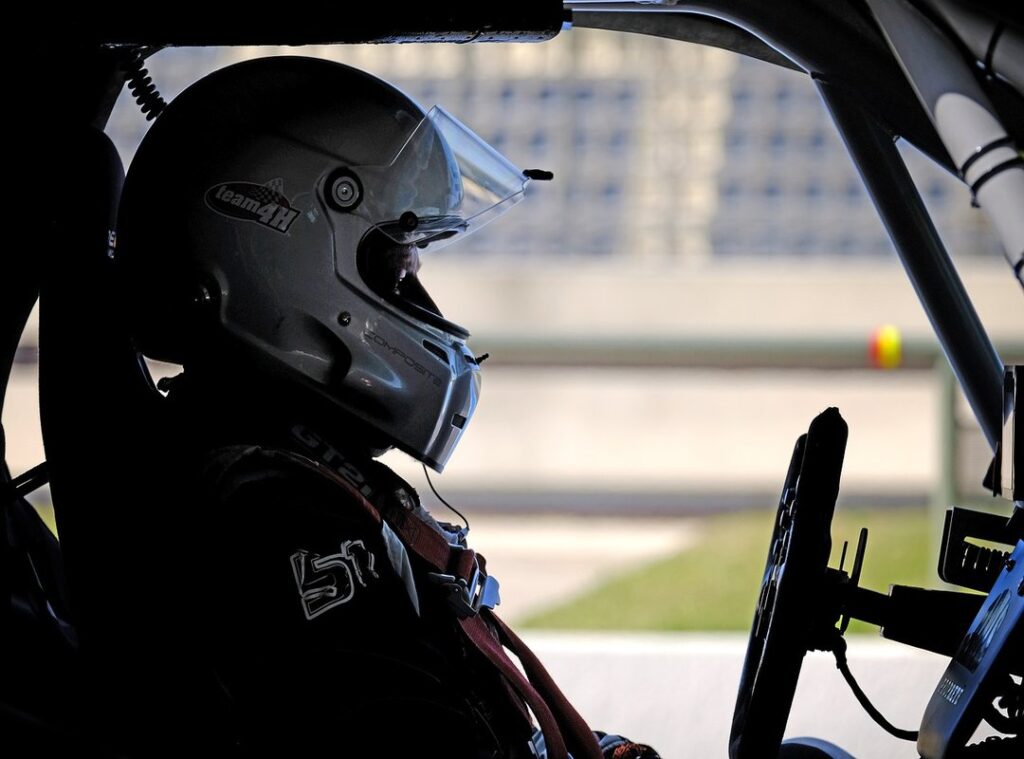
Circuit Paul Ricard is one of motorsport’s most iconic and technologically advanced tracks, located in Le Castellet, France. If you’re searching for circuit paul ricard hattu, this guide covers all the key aspects of the circuit itself.
I’m here to give you a direct, no-fluff overview of everything you need to know, from its famous layout to planning a visit. You’ll find clear, concise answers to your questions about the track’s history, features, and events.
The distinctive look with blue and red striped runoff areas makes it stand out. It’s a must-see for any motorsport fan. Whether you’re a visitor or an enthusiast, this guide will be your go-to resource.
The Famous Track Layout and Its Key Corners
The Circuit Paul Ricard is a 5.842 km Grand Prix circuit with 15 turns, making it a challenging and versatile track for drivers.
The Mistral Straight is legendary. Originally, it was one of the longest straights in motorsport, but in 1986, a chicane was added to reduce speeds. This change made the track safer without losing its iconic feel.
The ‘Blue Zone’ and ‘Red Zone’ runoff areas are visually distinct and serve a crucial purpose. These abrasive surfaces safely slow down cars, eliminating the need for gravel traps. It’s a smart design that keeps the racing clean and safe.
Signes corner is a high-speed right-hander at the end of the straight. It demands precision and courage from drivers, adding to the track’s excitement.
Beausset is another key feature, a double-apex corner that tests a driver’s skill and car setup. It’s a technical challenge that separates the best from the rest.
circuit paul ricard hattu boasts over 167 possible configurations, making it a premier testing facility. This versatility means it can cater to a wide range of racing and testing needs.
Elevation changes add to the technical challenge. Drivers must constantly adjust their lines and braking points, keeping them on their toes throughout the race.
A Storied History: From Pastis to Premier Racing
The Circuit Paul Ricard, as it’s known today, has a rich history. It was financed by pastis magnate Paul Ricard and opened in 1970.
In its initial golden era, the circuit hosted 14 French Grand Prix races between 1971 and 1990. Legendary drivers like Alain Prost graced the track with their presence.
However, not all memories are fond. The tragic death of Elio de Angelis during testing in 1986 cast a shadow. This led to significant safety modifications and, eventually, the loss of the F1 race.
Some argue that the circuit’s decline was inevitable. They say that without the F1 race, it lost its luster. But I disagree.
The circuit continued to evolve, even after the F1 hiatus.
In 1999, Bernie Ecclestone purchased the track and transformed it into the Paul Ricard High Tech Test Track (HTTT). This state-of-the-art testing facility kept the circuit relevant and at the cutting edge of automotive technology.
Then, in 2018, the circuit paul ricard hattu made a triumphant return to the Formula 1 calendar after a 28-year absence. Modern upgrades, including new facilities and improved safety features, made it a fitting venue for top-tier racing once again.
Sure, some purists might miss the old days. But let’s be real. The updates have only made the track better.
It’s now a safer, more technologically advanced venue. circuit paul ricard hattu
Beyond F1, the circuit has hosted other famous events. The Bol d’Or motorcycle endurance race and the FIA World Endurance Championship have added to its legacy. These events show that the circuit is versatile and can cater to a wide range of motorsports.
In the end, the Circuit Paul Ricard’s journey from pastis to premier racing is a testament to its resilience and adaptability.
Planning Your Visit: Tickets, Events, and Experiences
If you’re heading to CIRCUIT PAUL RICARD HATTU, it’s located near Marseille and Toulon. The closest airports are Marseille Provence Airport and Toulon-Hyères Airport.
The circuit hosts major annual events like the French Grand Prix (when applicable), GT World Challenge, and historic racing festivals. These events draw huge crowds, so plan ahead.
To get tickets, I recommend checking the official circuit website or authorized resellers. Prices for major events can vary, but expect to pay more for premium experiences.
Public track days, driving schools, and passenger laps in supercars are some of the fan experience opportunities available. These add-ons can make your visit even more memorable.
When attending an event, prepare for the hot Provençal sun. Sunscreen, hats, and plenty of water are a must. Parking can be a challenge, so arrive early.
Navigating the large venue is easier if you have a map or use the circuit’s app.
On-site amenities include the Grand Prix Hall, which has a lot of history, and several restaurants. For a luxurious stay, the 5-star Hôtel & Spa du Castellet overlooks the track. It’s a bit pricier but worth it for the view and comfort.
Pro Tip: Compare the costs of different ticket packages and experiences. Sometimes, a slightly more expensive package can offer better value with added perks.
What Makes Paul Ricard a Unique Motorsport Venue
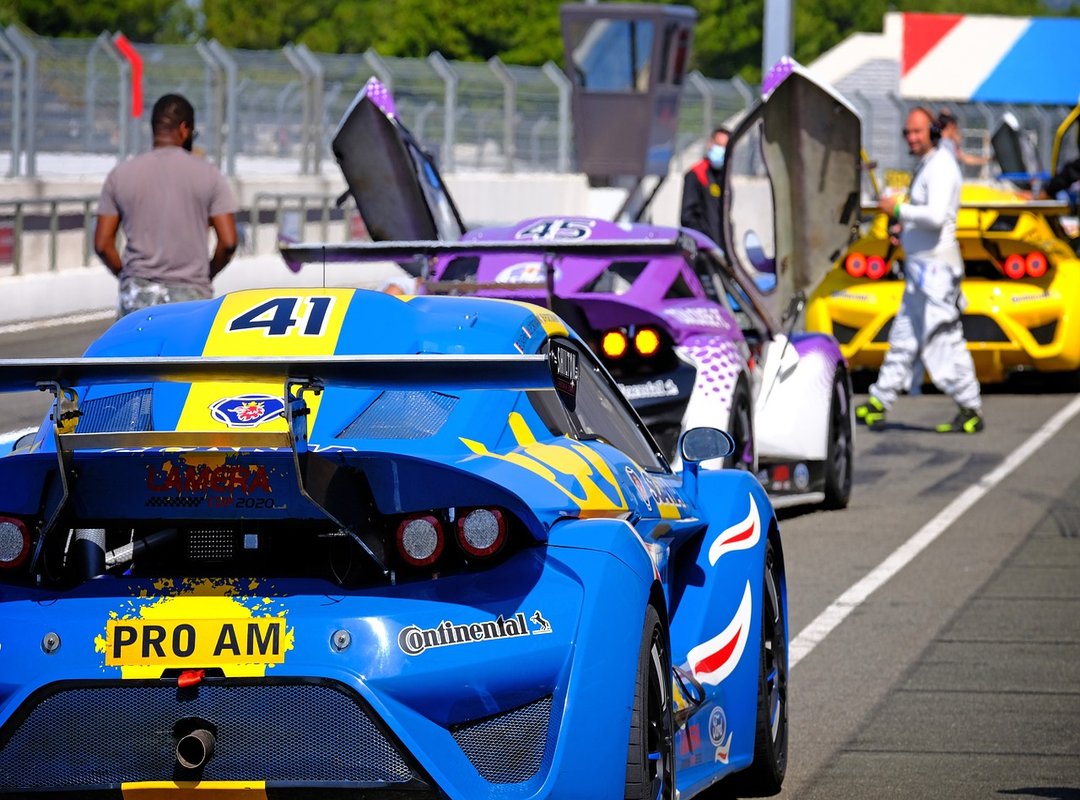
Paul Ricard stands out in the world of motorsports, and not just because of its iconic red and blue stripes. It’s got an innovative, adjustable sprinkler system that can simulate wet-weather conditions on demand. This is a game-changer for testing.
The colored abrasive runoff areas are another key feature. They provide better safety than older tracks with gravel traps. It’s a smart move, reducing the risk of accidents and improving driver confidence.
Many F1 teams and tire manufacturers like Pirelli use circuit paul ricard hattu as a primary testing location. The consistent climate and versatile track layout make it ideal for year-round testing.
Paul Ricard is also committed to sustainability. They’re making strides in renewable energy and water management. This forward-thinking approach sets them apart.
Looking ahead, I predict more tracks will adopt similar safety and testing features. The demand for safer, more versatile venues is only going to grow.
Your Next Step for Experiencing Paul Ricard
Circuit Paul Ricard is known for its unique layout, including the iconic blue and red stripes that line the track. It boasts a rich history and advanced technology, making it a standout venue in the world of motorsport. You now have the essential information to understand what makes this circuit special.
Consider looking up the schedule for the next major race or researching a track day experience. From its circuit paul ricard hattu to its high-speed corners, Paul Ricard offers a unique and thrilling experience for any motorsport fan. The circuit’s continuing role in the future of motorsport testing and racing promises even more exciting moments ahead.
 Stephaniela Jamersonsil is the kind of writer who genuinely cannot publish something without checking it twice. Maybe three times. They came to wealth management solutions through years of hands-on work rather than theory, which means the things they writes about — Wealth Management Solutions, Market Analysis and Trends, Investment Strategies and Tips, among other areas — are things they has actually tested, questioned, and revised opinions on more than once.
That shows in the work. Stephaniela's pieces tend to go a level deeper than most. Not in a way that becomes unreadable, but in a way that makes you realize you'd been missing something important. They has a habit of finding the detail that everybody else glosses over and making it the center of the story — which sounds simple, but takes a rare combination of curiosity and patience to pull off consistently. The writing never feels rushed. It feels like someone who sat with the subject long enough to actually understand it.
Outside of specific topics, what Stephaniela cares about most is whether the reader walks away with something useful. Not impressed. Not entertained. Useful. That's a harder bar to clear than it sounds, and they clears it more often than not — which is why readers tend to remember Stephaniela's articles long after they've forgotten the headline.
Stephaniela Jamersonsil is the kind of writer who genuinely cannot publish something without checking it twice. Maybe three times. They came to wealth management solutions through years of hands-on work rather than theory, which means the things they writes about — Wealth Management Solutions, Market Analysis and Trends, Investment Strategies and Tips, among other areas — are things they has actually tested, questioned, and revised opinions on more than once.
That shows in the work. Stephaniela's pieces tend to go a level deeper than most. Not in a way that becomes unreadable, but in a way that makes you realize you'd been missing something important. They has a habit of finding the detail that everybody else glosses over and making it the center of the story — which sounds simple, but takes a rare combination of curiosity and patience to pull off consistently. The writing never feels rushed. It feels like someone who sat with the subject long enough to actually understand it.
Outside of specific topics, what Stephaniela cares about most is whether the reader walks away with something useful. Not impressed. Not entertained. Useful. That's a harder bar to clear than it sounds, and they clears it more often than not — which is why readers tend to remember Stephaniela's articles long after they've forgotten the headline.