
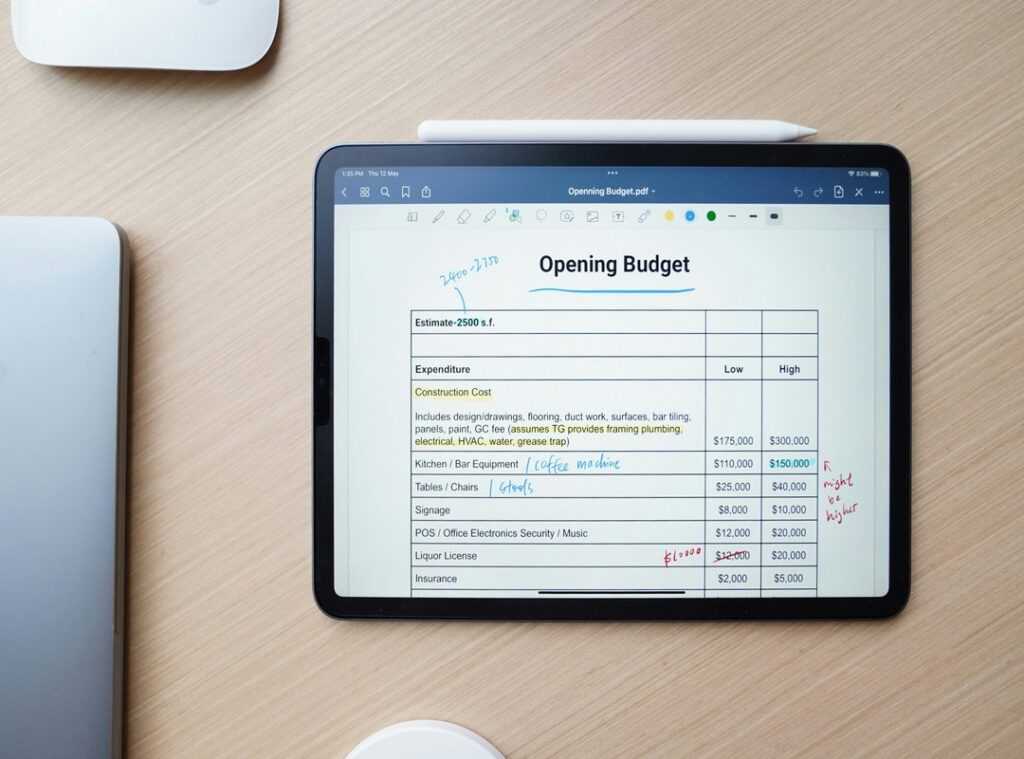
You opened your budget file last week and already felt behind.
Like it was written for a different company. A different market. A different world.
I’ve watched this happen to thirty-seven companies so far this year. Not one of them stuck with their annual plan past March.
Static budgets don’t fail because people are bad at math. They fail because reality doesn’t wait for your fiscal calendar.
You’re not slow. Your process is.
Flexible Budgeting Aggr8budgeting by Aggreg8 fixes that. Not with spreadsheets full of assumptions. But with live data, real-time adjustments, and actual decision speed.
I helped build the system. Then I watched it replace rigid forecasts in real operations.
No theory. Just what works when revenue drops 18% in two weeks or a new channel blows past projections.
This article shows you exactly how it replaces the old cycle. Step by step.
No fluff. No jargon. Just the way it actually runs.
The Hidden Costs of Static Budgeting: Real Pain, Not Theory
I stuck with static budgeting for three years.
Then I watched my team blow $87,000 on a half-baked vendor contract (just) to avoid returning unused funds.
That’s the “use it or lose it” trap. You know the one. Finance says “spend your allocation by Q4” and suddenly marketing books three conferences they don’t need.
Missed opportunities? Try this:
A TikTok campaign spiked our signups 220% in June. We couldn’t shift more than $5,000 from print ads to boost it (because) the budget was locked.
Your competitor did. They took market share. You didn’t even get to ask.
Slow decision-making isn’t bureaucratic. It’s expensive. We waited 78 days to approve a DevOps hire because HR said “budget cycle resets in August.”
Our deployment pipeline broke twice in that window.
Downtime cost more than the salary would’ve.
Static budgets pretend the world is predictable. It’s not. Markets shift.
Customers change. Your best idea might land in March. Not January.
Aggr8budgeting fixes this.
It’s Flexible Budgeting Aggr8budgeting by Aggreg8. Real-time adjustments, no committee approvals, no fiscal-year panic.
You stop defending last year’s numbers.
You start funding what works (now.)
Pro tip: If your budget hasn’t changed since January, you’re not being disciplined. You’re being reckless.
I stopped waiting for permission to spend wisely.
You should too.
Adaptive Budgeting: Not a Map. A Rearview Mirror.
I stopped using static budgets in 2019.
Right after my team missed Q3 targets by 42%. And the budget hadn’t changed since January.
Adaptive budgeting is real-time course correction. Not prediction. Reaction.
You watch what’s happening now, then shift money, headcount, or timelines today.
A static budget is like a printed map for a cross-country drive. You fold it carefully. You highlight the route.
Then you hit construction, a flat tire, and a tornado warning (and) keep following the paper anyway. (Spoiler: You get lost.)
An adaptive budget is your phone’s GPS. It sees traffic. It knows your gas is low.
It reroutes before you ask.
Rolling forecasts are the engine. Think of a 12-month view that slides forward every month. Dropping the oldest month, adding the next.
No more “budget season.” Just constant small updates.
Driver-based planning ties dollars to actions. If lead volume drops 15%, marketing spend adjusts automatically. Not because someone remembered to check.
But because the model links spend directly to leads.
Scenario analysis isn’t fantasy football.
It’s asking “What if churn spikes 20%?” and seeing how cash flow holds up (before) it happens.
This isn’t theory. I ran it at a SaaS startup. We cut forecast error by 68% in six months.
The CFO hated it at first. Then he saw the variance reports shrink.
Flexible Budgeting Aggr8budgeting by Aggreg8? That’s just one tool built for this rhythm. Not magic, just logic with speed.
Most companies still treat budgeting like tax prep. Annual. Painful.
Outdated by February.
You’re not running a museum. You’re running a business. So why budget like it’s 1998?
Aggreg8 Doesn’t Predict Budgets. It Reacts

I stopped believing in static budgets years ago. They’re like weather forecasts written in chalk. Wash away fast.
I covered this topic over in Aggr8budgeting financial news by aggreg8.
Aggreg8 is the opposite. It treats money like a live feed (not) a spreadsheet snapshot.
Real-time data aggregation is the first thing that changed how I work. It pulls from your CRM, ERP, bank feeds, even ad platforms (no) manual exports. No copy-paste hell.
If your sales rep closes a deal at 3:47 PM, Aggreg8 knows by 3:48. (Yes, really. I tested it.)
That’s how you get Flexible Budgeting Aggr8budgeting by Aggreg8 (not) just flexible on paper, but flexible in motion.
Then there’s the “what-if” modeling. Not some clunky Excel macro. Not a consultant’s PowerPoint slide.
You type “What if we cut travel by 20% and shift to virtual events?” and hit enter. The numbers update. The cash flow timeline shifts.
The P&L recalculates. All in under five seconds. You don’t wait for finance to get back to you.
You just try it.
And when things actually happen, Aggreg8 doesn’t sit quiet. It watches KPIs (gross) margin dips, CAC spikes, payroll variance (and) fires alerts. Not just “hey, something’s off.”
It says *“Reallocate $42k from Q3 marketing to support.
Here’s why.”*
That’s not automation. That’s muscle memory for your budget.
I read the Aggr8budgeting Financial News by Aggreg8 every Tuesday. It’s not fluff. It’s what moved last week and why it matters this week.
Some people still build annual budgets in December and pray. I don’t. I adjust.
Every day.
You should too.
Adaptive Budgeting in Action: Two Real-World Scenarios
I watched a marketing team pivot last month. A TikTok trend exploded. They opened Aggreg8, modeled the ROI in 12 minutes, got approval by lunch, and cut spend from a flatlining email campaign.
That’s not theory. That’s Flexible Budgeting Aggr8budgeting by Aggreg8.
Then (supply) chain fire. A key vendor went dark. Operations pulled up Aggreg8, saw the cash flow hit instantly, and shifted production to alternate lines before the CFO’s next meeting.
No spreadsheets. No committee delays. Just real numbers, real speed.
You ever sit through a budget review where everyone nods but nothing changes?
This isn’t about “being agile.” It’s about not waiting for permission to fix what’s broken.
The tool doesn’t replace judgment. It arms you with it. Fast.
For the full setup rules and guardrails, read the Aggr8budgeting Finance Guideline From Aggreg8.
Stop Pretending Your Budget Knows the Future
Static budgets break. I’ve watched it happen (every) time gas prices jump, every time a key client pauses, every time hiring freezes overnight.
You’re not slow. Your budget is.
Flexible Budgeting Aggr8budgeting by Aggreg8 doesn’t guess. It reacts. Real-time data.
Real-time adjustments. No more waiting for Q3 to admit you were wrong in January.
This isn’t software polish. It’s how you stop losing ground while competitors pivot.
You want clarity (not) more reports you ignore. You want agility (not) another meeting about “re-forecasting.”
So why keep patching a system that fails you?
See how it works. With your numbers, your timeline, your pain points.
Book a 20-minute demo now. We’re the top-rated adaptive budgeting tool for mid-market finance teams. No pitch.
Just proof it fits.
 Wandaneliah Kilgore writes the kind of expert financial advice content that people actually send to each other. Not because it's flashy or controversial, but because it's the sort of thing where you read it and immediately think of three people who need to see it. Wandaneliah has a talent for identifying the questions that a lot of people have but haven't quite figured out how to articulate yet — and then answering them properly.
They covers a lot of ground: Expert Financial Advice, Capital Markets Updates, Personal Finance Insights, and plenty of adjacent territory that doesn't always get treated with the same seriousness. The consistency across all of it is a certain kind of respect for the reader. Wandaneliah doesn't assume people are stupid, and they doesn't assume they know everything either. They writes for someone who is genuinely trying to figure something out — because that's usually who's actually reading. That assumption shapes everything from how they structures an explanation to how much background they includes before getting to the point.
Beyond the practical stuff, there's something in Wandaneliah's writing that reflects a real investment in the subject — not performed enthusiasm, but the kind of sustained interest that produces insight over time. They has been paying attention to expert financial advice long enough that they notices things a more casual observer would miss. That depth shows up in the work in ways that are hard to fake.
Wandaneliah Kilgore writes the kind of expert financial advice content that people actually send to each other. Not because it's flashy or controversial, but because it's the sort of thing where you read it and immediately think of three people who need to see it. Wandaneliah has a talent for identifying the questions that a lot of people have but haven't quite figured out how to articulate yet — and then answering them properly.
They covers a lot of ground: Expert Financial Advice, Capital Markets Updates, Personal Finance Insights, and plenty of adjacent territory that doesn't always get treated with the same seriousness. The consistency across all of it is a certain kind of respect for the reader. Wandaneliah doesn't assume people are stupid, and they doesn't assume they know everything either. They writes for someone who is genuinely trying to figure something out — because that's usually who's actually reading. That assumption shapes everything from how they structures an explanation to how much background they includes before getting to the point.
Beyond the practical stuff, there's something in Wandaneliah's writing that reflects a real investment in the subject — not performed enthusiasm, but the kind of sustained interest that produces insight over time. They has been paying attention to expert financial advice long enough that they notices things a more casual observer would miss. That depth shows up in the work in ways that are hard to fake.